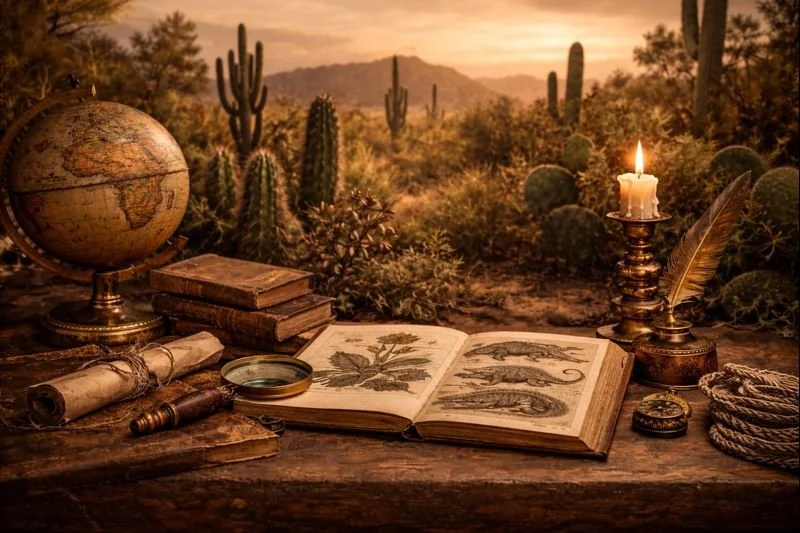
Southern Arizona's Gateway to Renaissance & Baroque Masterpieces
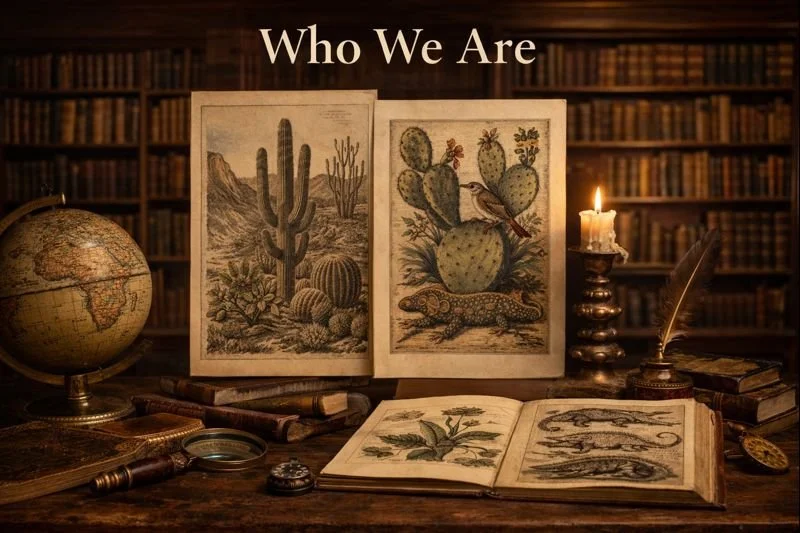
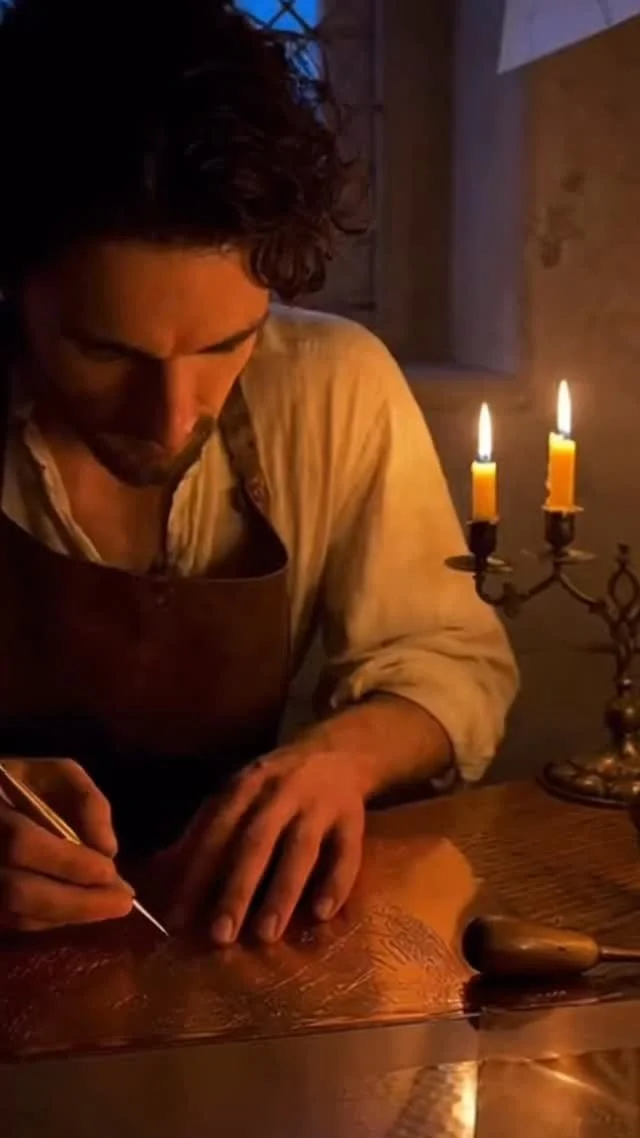
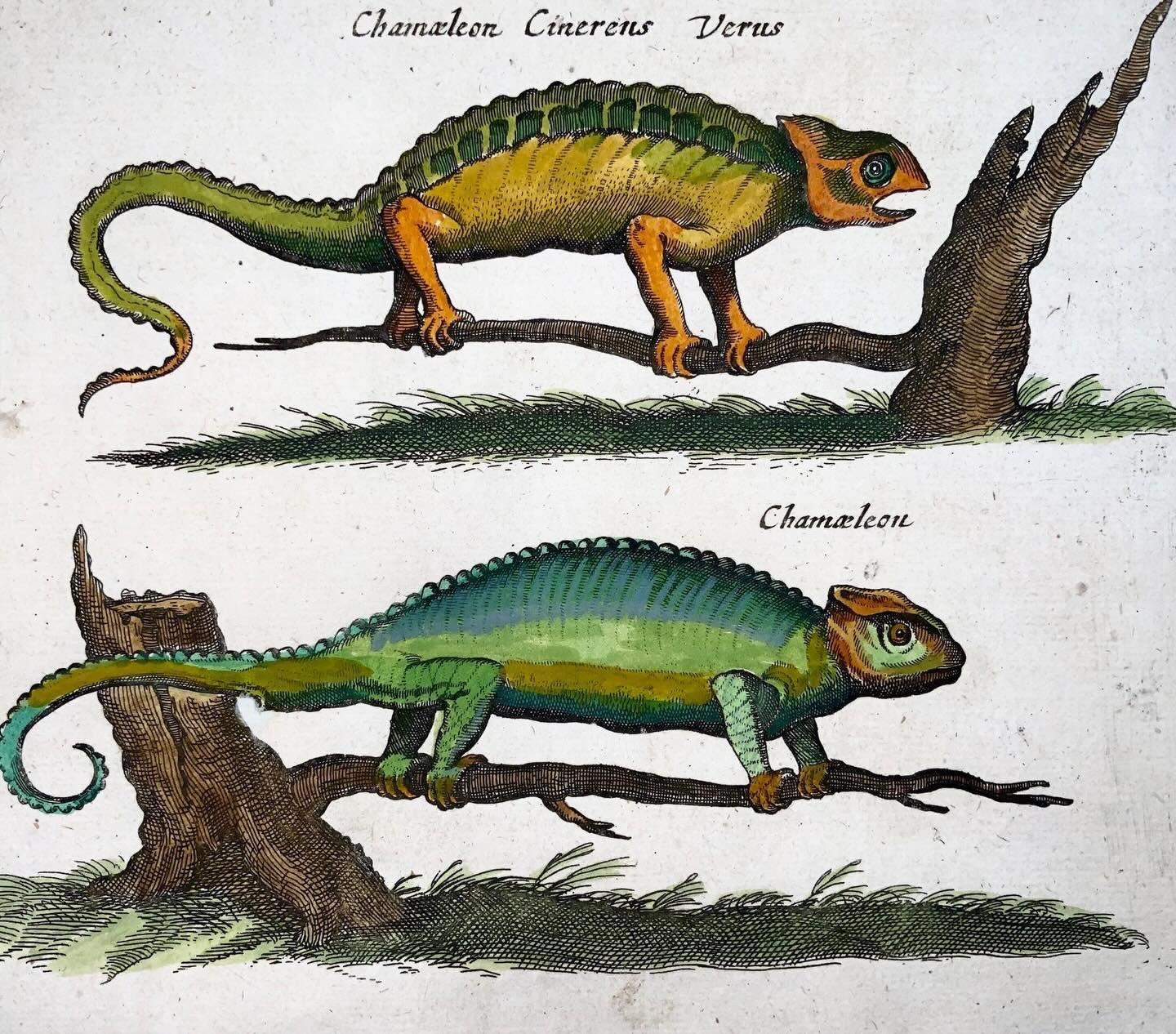
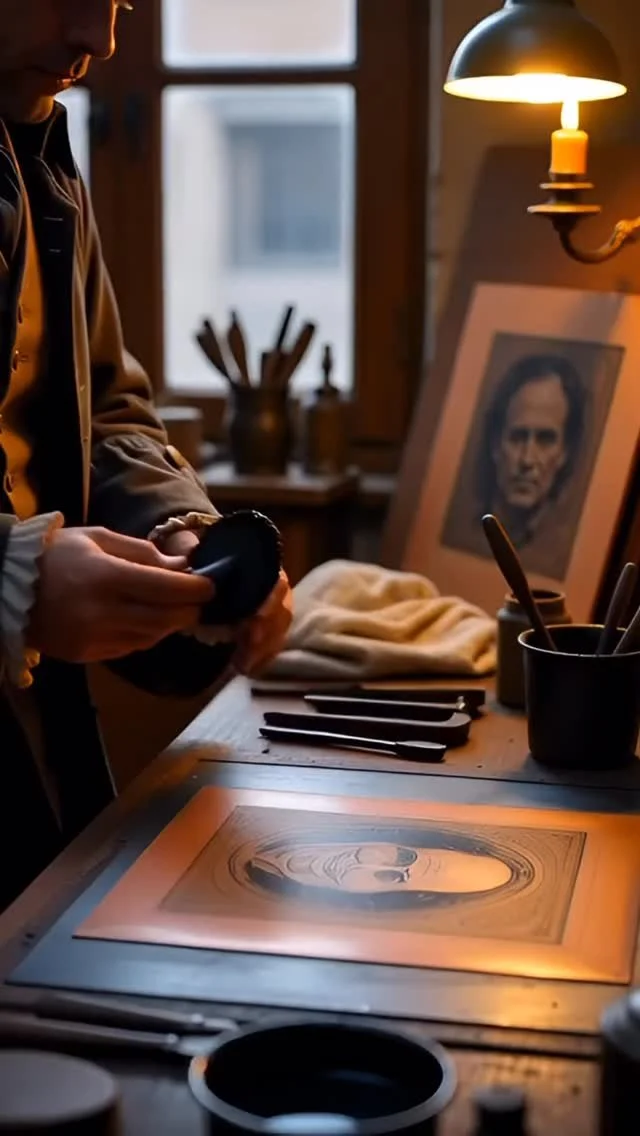
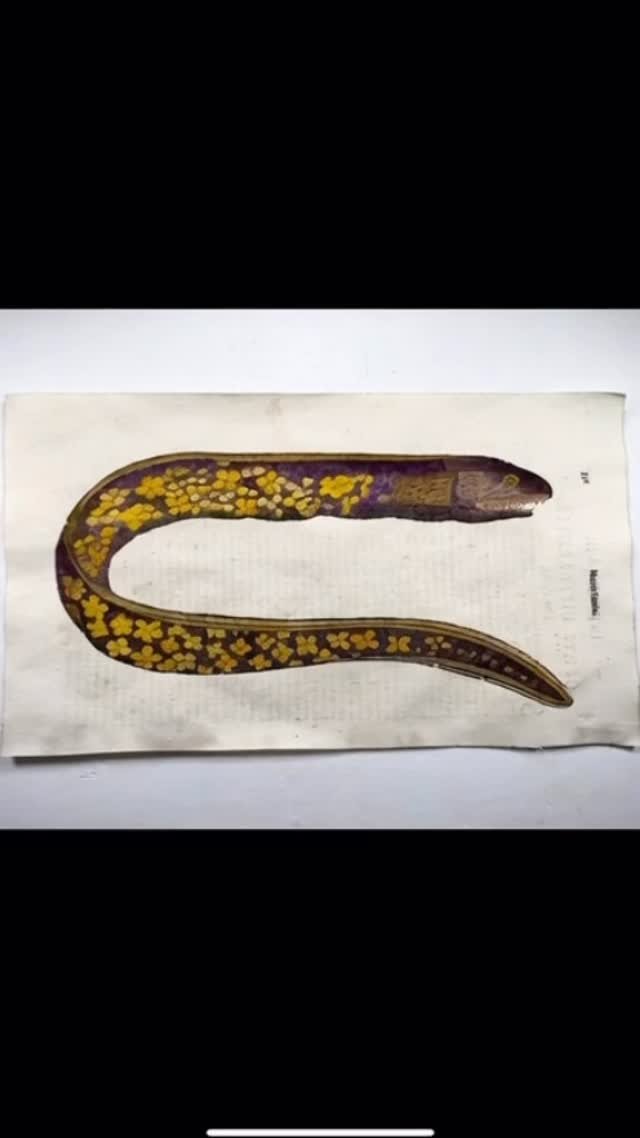
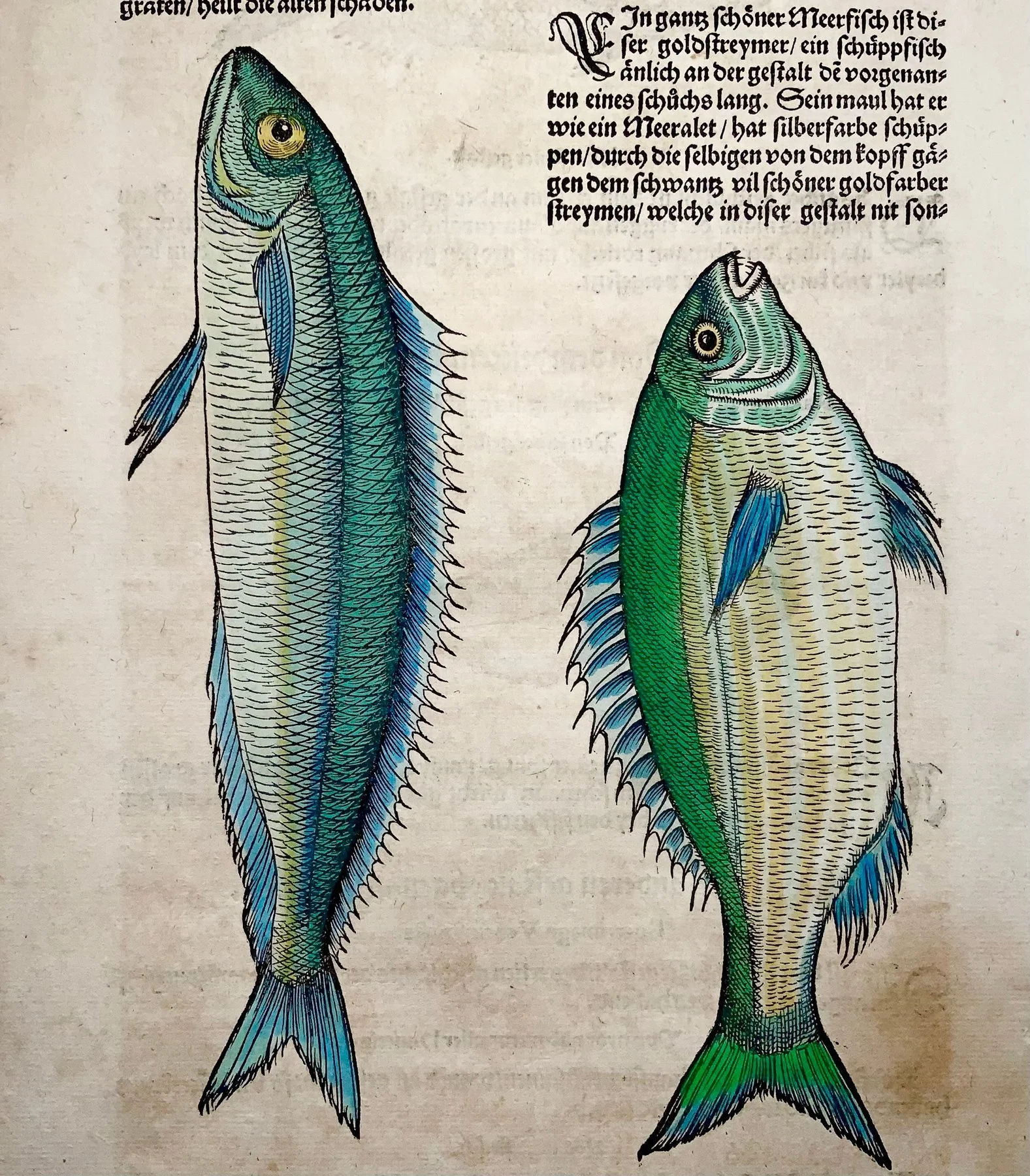
Printed by hand in workshops across Europe, these Renaissance and Baroque images were made to travel. They crossed borders, oceans, and centuries, carrying knowledge, beauty, and ways of seeing the world long before photography or mass reproduction.
Today, we have brought these works to the Sonoran Desert, where they are carefully preserved and studied. Our hope is simple. To share the art, craft, and intellectual life of the early modern world with others, and to place these surviving works into collections where they can continue to be lived with, learned from, and passed on.
New to collecting? Start here!
Featured Prints
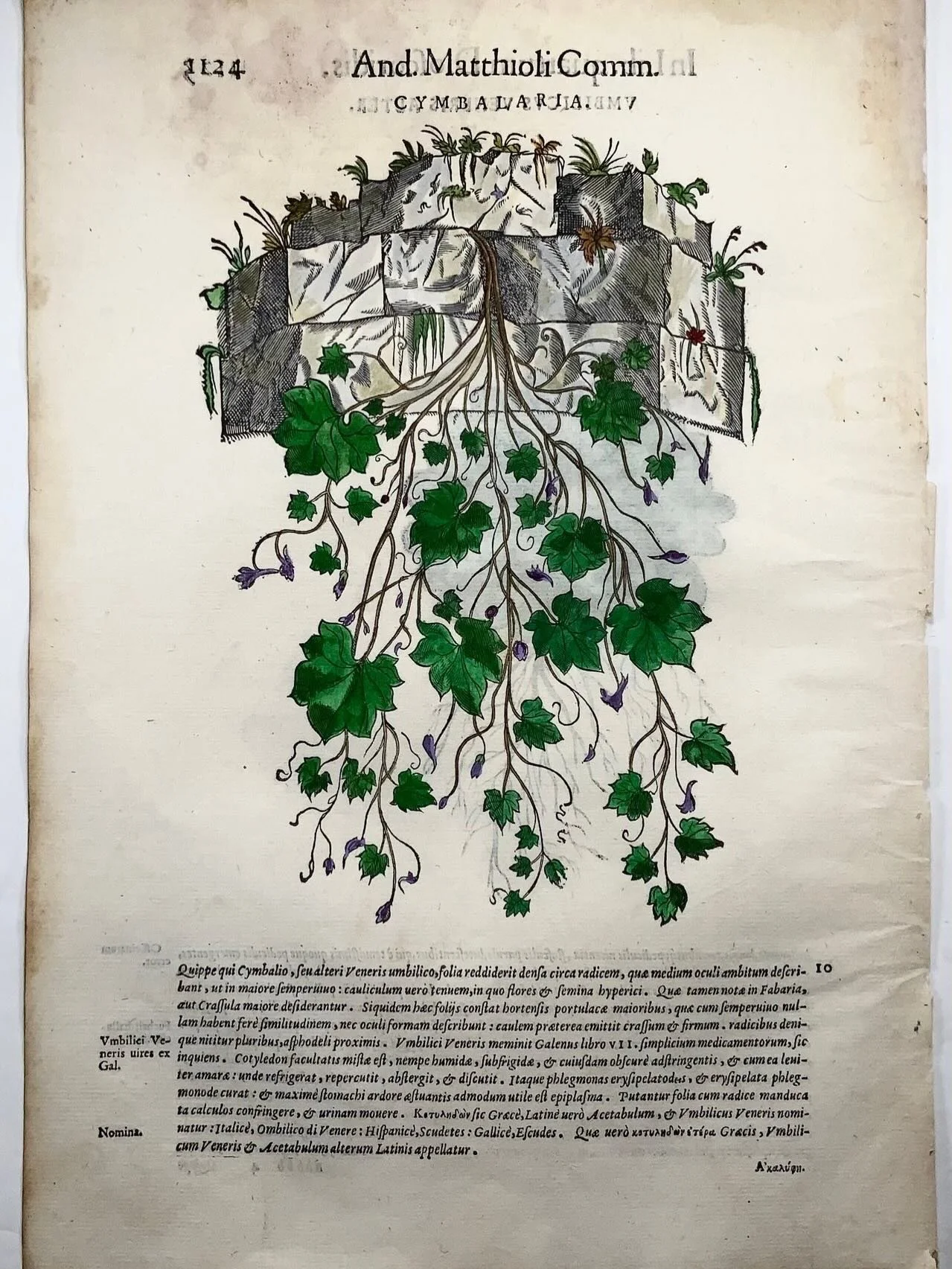
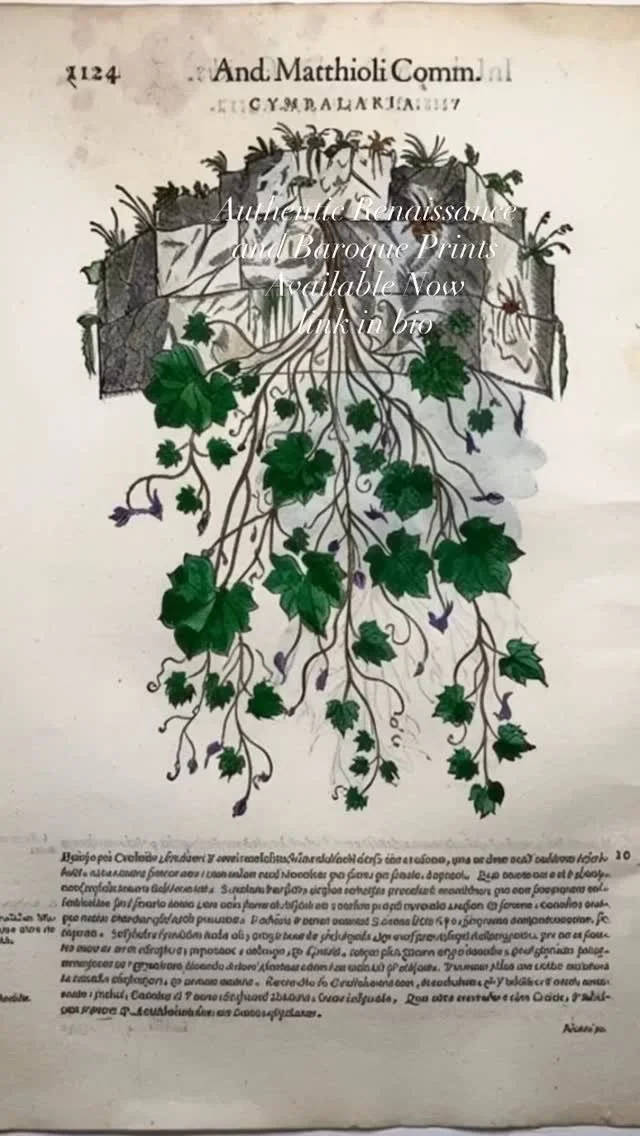
![Giorgio Liberale; W. Meyerpeck - Folio, 2 large woodcuts, Botany: Ivy [Cymbalaria], Pennywort - 1565](https://images.squarespace-cdn.com/content/v1/696fb74856703d5db9f3c89f/798b1228-fbed-434b-b082-9384c3cb7bbb/Ivy+2.jpg)
FAQs
1. What are prints, and what makes them rare?
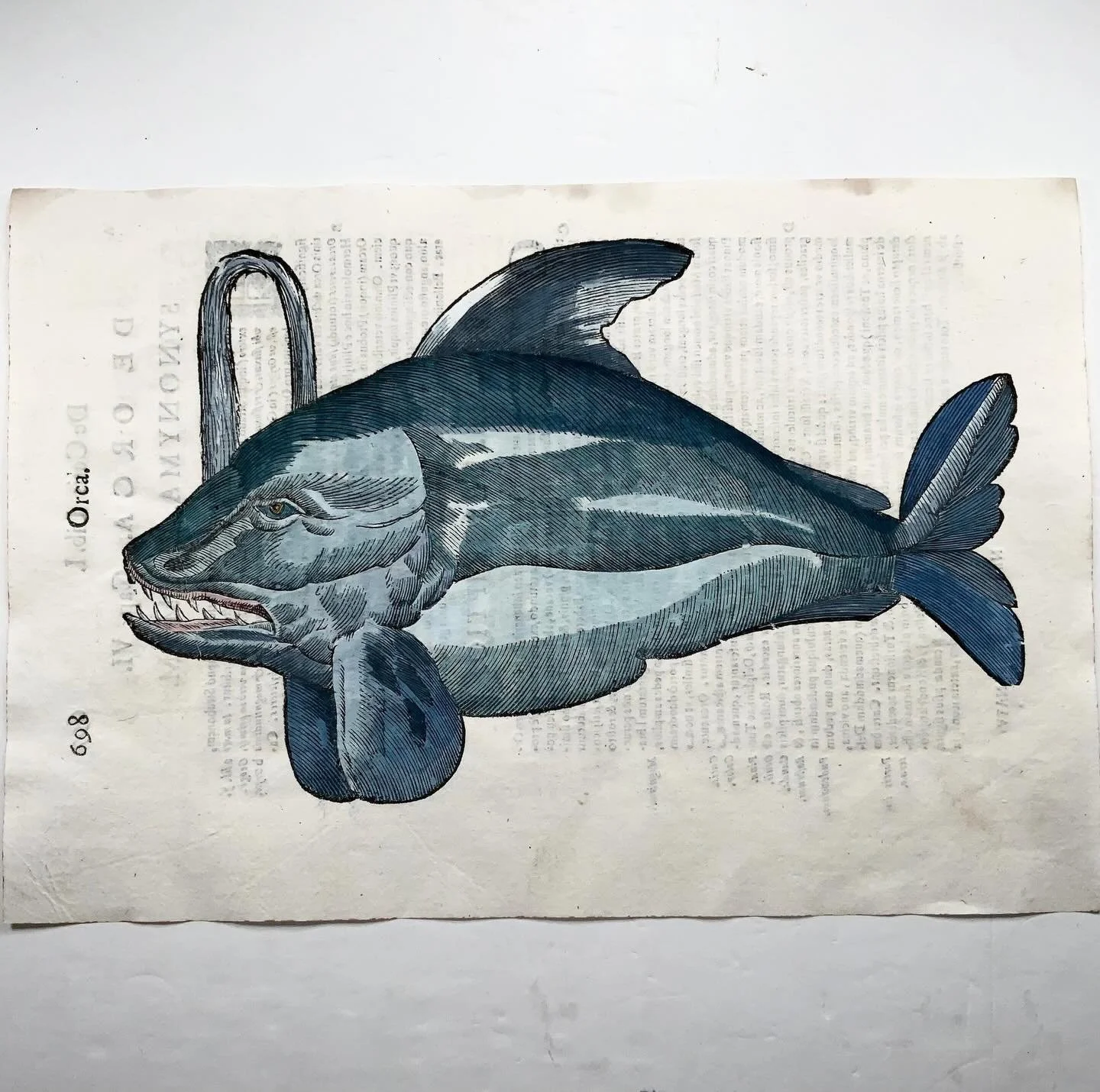
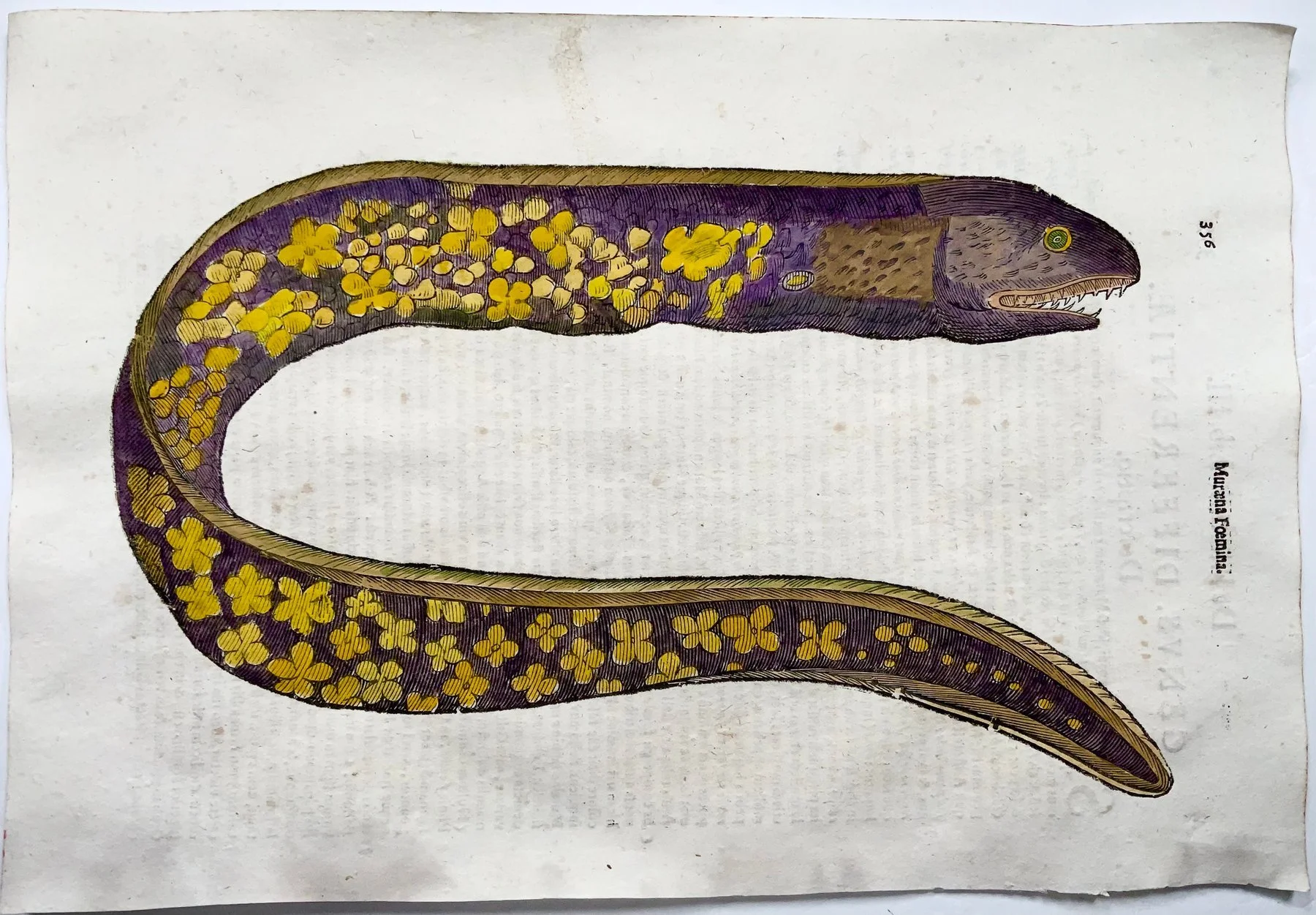
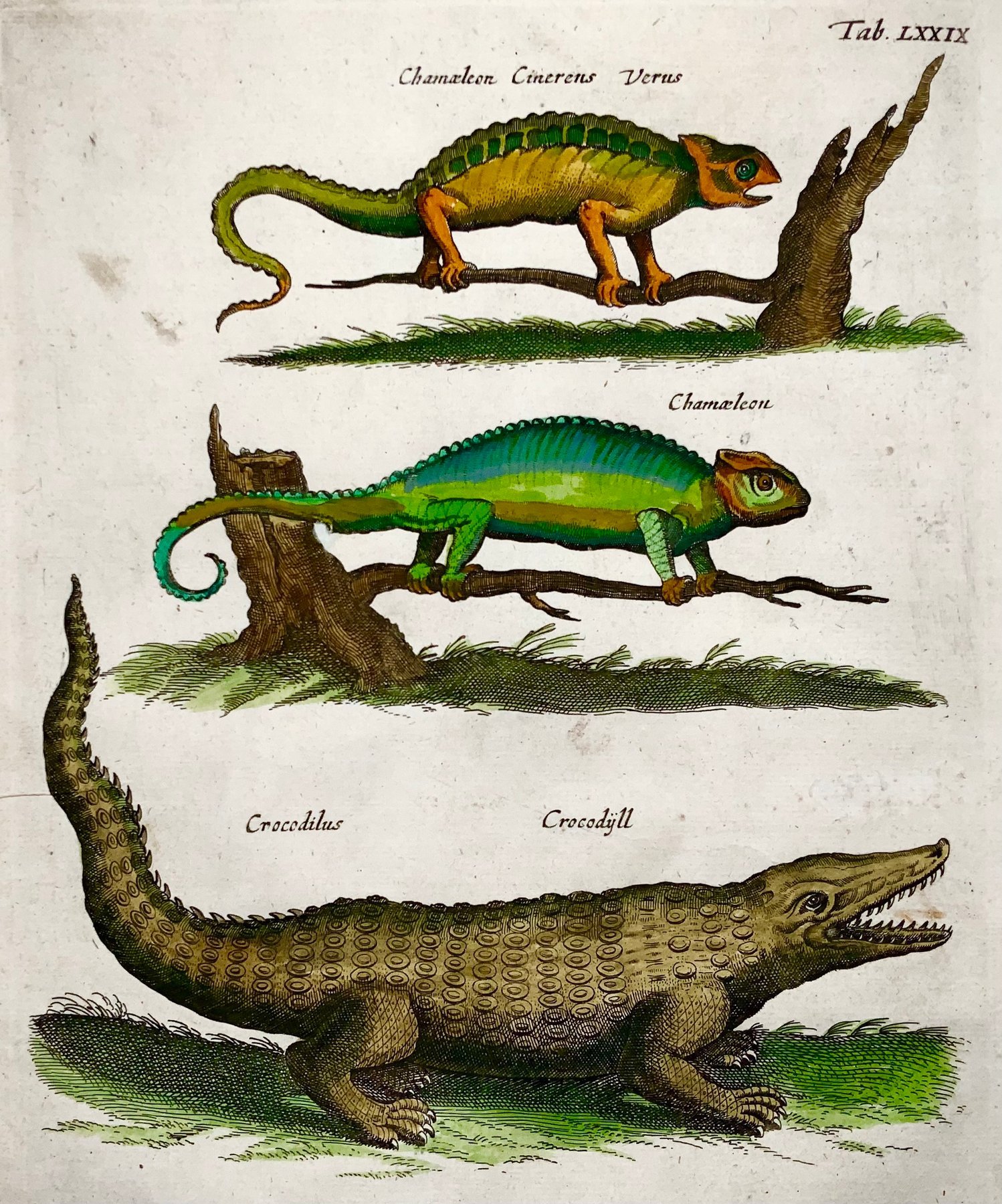
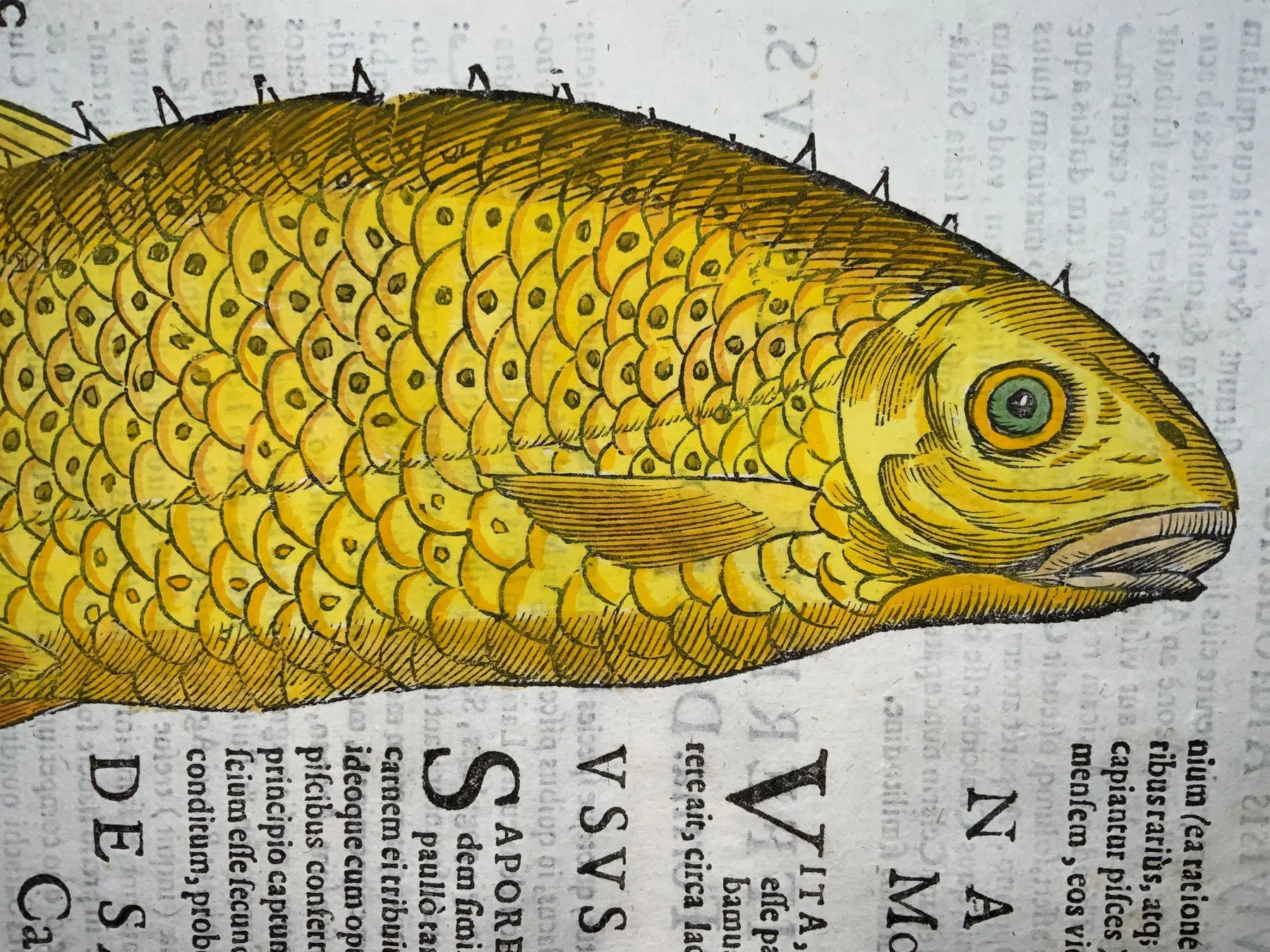
Prints are images created by transferring ink from a hand-carved or engraved surface onto paper. In the Renaissance and Baroque periods, this was done using copper plates or carved woodblocks, with each sheet printed individually by hand. What makes these prints rare is not only their age, but their survival. Many were lost, damaged, or discarded over centuries. Hand coloring, early impressions, strong condition, and identifiable historical context all increase rarity.
2. What are the Renaissance and Baroque periods?
The Renaissance and Baroque were cultural periods in Europe roughly spanning the fifteenth through seventeenth centuries. The Renaissance emphasized observation, proportion, and the rediscovery of classical knowledge, while the Baroque expanded these ideas through drama, movement, and emotional intensity. Together, these periods shaped modern science, art, architecture, and music. The prints from this era reflect a world learning how to see, classify, and understand nature for the first time.
3. Why are these prints valuable?
These prints are valuable because they are original historical objects, not reproductions. They were created by some of the most important figures in early science and art and were used to transmit knowledge across Europe. Their value is shaped by age, condition, rarity, artistic quality, historical importance, and provenance. Unlike decorative art, these works are documents of intellectual history, combining scholarship, craftsmanship, and material survival.
4. Why are these prints worth collecting today?
Collecting these prints is a way of preserving and living with history. Each work is a direct physical link to the Renaissance or Baroque world and carries centuries of use, study, and interpretation. They reward close looking, deepen understanding of art and science, and hold long-term cultural value. For many collectors, they also offer something increasingly rare: authenticity, permanence, and meaning beyond trends or speculation.
Our Services
Have you ever dreamed of building a rare book or print collection with depth and purpose?
-
Beyond individual purchases, I help shape collections as coherent intellectual projects. This includes defining focus areas, identifying gaps, advising on display and preservation, and thinking long-term about legacy, institutional relevance, or future donation or resale. The emphasis is on building collections with depth, integrity, and lasting cultural value.
-
I advise on how and where to acquire material thoughtfully and responsibly. This includes auction guidance, dealer vetting, private sale evaluation, and international sourcing, with attention to market norms and long-term value rather than impulse buying. Clients benefit from informed decision-making and a collecting strategy tailored to their interests, budget, and goals.
-
Clients receive expert guidance in identifying, contextualizing, and understanding rare books and prints. This includes bibliographic verification, edition identification, dating, and historical context, as well as assessment of condition, hand coloring, and printing technique. The goal is clarity: understanding exactly what an object is, where it belongs historically, and why it matters.
About
our company
We specialize in authentic European antiquities, bringing early modern prints and books from Europe into dialogue with the Sonoran Desert. Our focus is on original works of natural history, science, and exploration from the 16th through 18th centuries—objects created by hand at a moment when knowledge of the natural world was still being formed. Every piece we handle is a true antiquity, valued for its material integrity, bibliographic accuracy, and historical significance. By situating European scientific and artistic traditions within a desert context, we aim to create a new way of seeing both the objects and the landscape they now inhabit.